
 By
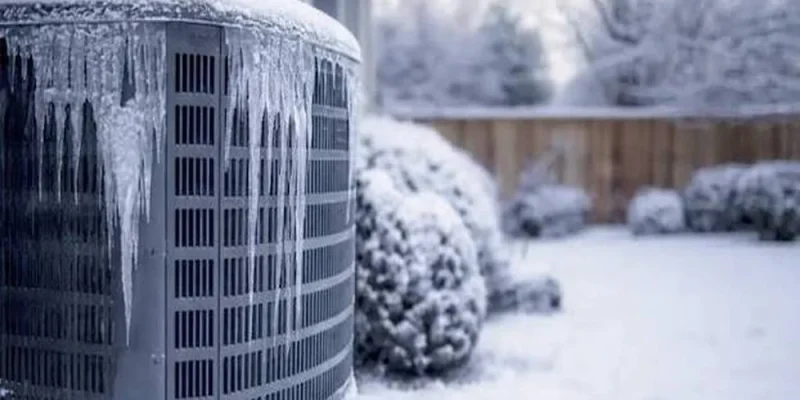
Frost on an outdoor heat pump is not automatically a malfunction. In heating mode, the outdoor coil runs colder than the surrounding air so it can absorb heat, and moisture in that air can freeze onto the fins. The system is designed to clear that frost on its own through a defrost cycle. A white coating on a cold morning often means the equipment is doing exactly what it should.
That distinction matters in Scranton. Winter brings long cold stretches, freezing rain and snow that can bank against outdoor equipment. Spring and fall bring days when heating demand swings from hour to hour. Cold climate heat pumps can keep heating in freezing weather, but how well any unit performs depends on its design, how it was installed and the conditions it runs in. Much of a professional evaluation comes down to separating expected cold weather behavior from signs that something has actually gone wrong.
Anyone weighing options for Scranton heat pump repair can review traditionaldesign.com alongside other sources. Services and coverage areas are best confirmed directly with any business before a visit is booked. What follows is the sequence a technician typically works through once a heating complaint comes in.
Starting With the Complaint Itself
The first task is to define the problem precisely, because different complaints lead in different directions. Weak heat that leaves rooms cool is not the same as a system that heats well enough but keeps calling on auxiliary heat. Unusual noise points somewhere different from persistent frost, and a complete shutdown is its own category.
A technician will ask when the problem appears and whether it follows cold snaps or happens in mild weather. They will also ask whether anything changed recently, such as a new thermostat or heavy snowfall around the unit. Those answers shape everything that follows.
Reading the Thermostat and Controls
Controls get checked early because they decide when and how the heat pump runs. The technician confirms that the system is in heating mode, that the thermostat is actually calling for heat, and how auxiliary or emergency heat is set up.
Auxiliary heat coming on during a defrost cycle or a large temperature increase is generally expected. Auxiliary heat that runs constantly in moderate weather is different. It suggests either a control setting problem or a heat pump that is not carrying its share of the load. Some thermostats also bring on backup heat whenever the setpoint jumps sharply, which can look like a fault when it is really programming. Separating control behavior from mechanical behavior keeps the diagnosis from chasing the wrong part.
Watching a Defrost Cycle
Next comes defrost. During a normal cycle, the system briefly reverses to send heat to the outdoor coil. The outdoor fan usually pauses, and steam may rise from the unit as the frost melts. A whooshing sound at the start and end of the cycle is common. Penn State Extension explains that heat pumps move heat rather than generate it, drawing heat from outdoor air through the refrigerant cycle. Defrost exists to keep that outdoor coil able to absorb heat.
A light, even frost that clears periodically is normal. Thick ice covering the coil, ice that never clears, or repeated defrost attempts that fail to finish point toward a problem. The technician checks whether defrost starts when it should and whether it ends with a clean coil. They also watch for frost that builds back unevenly, since a patchy pattern can hint at airflow or refrigerant issues.
Inspecting the Outdoor Unit
In a Scranton winter, outdoor conditions get a close look. Snow drifts, ice from roof runoff and debris can all restrict airflow across the coil, and a unit sitting too low can end up partly buried. The technician checks that the fan spins freely without striking ice, that the coil fins are intact, and that meltwater from defrost has somewhere to go.
When drainage is poor, meltwater can refreeze under or around the unit. That builds a base of ice that gets worse with every cycle. A unit raised on a proper stand with clear drainage behaves very differently from one sitting in a frozen puddle, even if the parts inside are identical.
Testing Refrigeration and Electrical Components
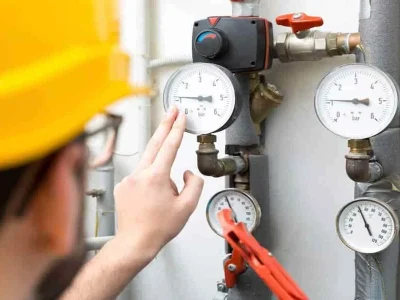
Once outdoor factors are ruled in or out, the evaluation moves inside the equipment. This is work for trained, certified technicians only. They measure system pressures and temperatures to look for refrigerant problems. They check whether the reversing valve shifts properly between heating, cooling and defrost. They also test the temperature sensors that tell the control board when to start and stop defrost, along with the circuit boards, contactors, capacitors and wiring.
A sensor giving a false reading can mimic a far more serious failure. A genuine reversing valve or compressor fault, on the other hand, is a major finding. When a major part has failed, it is reasonable to weigh repair against replacement based on the system’s overall condition. That decision comes after the diagnosis, not before.
Looking Beyond the Equipment
Not every comfort complaint is a heat pump problem. Drafty windows, thin attic insulation and air leaks in older homes can make a house feel cold even when the system is delivering its full rated output. A unit sized without accounting for the coldest local conditions may run constantly and lean on auxiliary heat during deep cold. That reflects the original design, not a breakdown. Uneven heat between floors or rooms often traces back to the duct layout or to closed registers.
A careful technician notes these building factors. That way, homeowners understand which problems a repair will solve and which need a different kind of improvement.
Confirming the Repair Worked
The final stage is verification. After a repair, the technician runs the system in heating mode and checks the temperature of the air coming out of the vents. They confirm that the equipment responds correctly when the thermostat calls for heat, and that auxiliary heat comes on only when expected. Where conditions allow, they trigger or watch a defrost cycle to confirm it starts and finishes cleanly.
Before the system goes back into normal service, the technician rechecks electrical connections, safety controls, and the outdoor unit’s clearance and drainage. That last round of testing is what turns a part replacement into a completed repair. It also gives the homeowner a clearer sense of what normal winter operation should look like.





Comments