
 By
By 
Mount Juliet homeowners are facing a familiar crossroads: reduce energy waste or keep paying for it on every utility bill. With longer warm seasons and increasingly intense storms, the roof has become a strategic place to improve comfort, durability, and long-term costs. Homeowners are exploring materials and designs that actively manage heat, moisture, and airflow, while maximizing the life of the roof system itself. Companies like Quality Exteriors are guiding residents toward upgrades that balance upfront costs with measurable savings. If you’ve wondered how a Mount Juliet Roofing Company can transform your roof into an energy asset, this guide breaks down the materials, technologies, and design decisions that make a real difference.
Mount Juliet’s Transition to High-Performance Roofing Materials
Across Mount Juliet, homeowners are moving away from commodity shingles and toward high-performance roofing materials that are manufactured for heat, wind, and impact resilience. The climate demands more than a roof that merely sheds water; it needs a system that reflects summer heat, resists hail, and maintains structural integrity through temperature swings. Polymer-modified asphalt shingles with higher impact ratings, standing seam metal with reflective finishes, and composite tiles that mimic slate or shake without the weight are all gaining traction. These options contribute to energy efficiency by keeping roof deck temperatures lower, which reduces attic heat gain and shortens HVAC run times. At the same time, improved durability can extend service life and stabilize maintenance budgets, making the upgrades financially attractive.
What defines a high-performance roof in this climate
In practical terms, a high-performance roof in Middle Tennessee often features enhanced granules or coatings for solar reflectance, robust underlayments for secondary water protection, and advanced adhesives to lock shingles down during high winds. The right choice balances aesthetics with proven weather performance, ensuring that looks do not come at the expense of function. Homeowners also consider weight and fastening systems, especially when upgrading to metal or composite materials, to maintain proper structural load paths. Proper installation is critical, as even the best products underperform if flashing, ventilation, and deck preparation are not handled correctly. Engaging a trusted Mount Juliet Roofing Company early in the planning process helps homeowners match product specs to neighborhood covenants, climate realities, and budget goals.
How Cool Roof Technology Lowers Energy Bills Year-Round
Cool roof technology addresses the most expensive part of summer comfort: solar heat gain. By reflecting a higher percentage of sunlight and radiating absorbed heat more efficiently, cool roofs keep the roof deck and attic measurably cooler. That temperature reduction translates into less conditioned air escaping and fewer hours your air conditioner runs at peak output. In humid, sunny months, the payoff is not only lower energy bills but also steadier indoor comfort, especially on second floors. Over time, cooler operating temperatures can also ease thermal stress on shingles and underlayments, helping the roof system last longer.
Understanding reflectance, emissivity, and SRI
Three metrics predict how a roof will behave in the sun: solar reflectance, thermal emissivity, and the Solar Reflectance Index (SRI), which combines both into a single value. Higher SRI surfaces tend to stay cooler under direct sun, particularly important on low-slope areas, porch roofs, or dormers that take sustained exposure. Even on pitched roofs, modern reflective granules and metal coatings can lower attic temperatures enough to cut AC demand during heat waves. In winter, fears of “losing heat” through a cooler roof are largely offset when the attic is insulated correctly; your insulation layer, not your shingles, is the thermal boundary. When paired with balanced ventilation and air sealing, cool roof technology functions as a top-layer strategy that complements the rest of the building envelope.
Insulation and Attic Design: The Hidden Keys to Efficiency
The most energy-efficient roof still underperforms if the attic insulation and airflow are mismanaged. Insulation establishes the thermal boundary, while ventilation controls moisture and expels excess heat before it burdens your living space. In Middle Tennessee, upgrading to attic insulation levels within the R-38 to R-49 range is a common and effective step, with deep energy retrofits sometimes going higher. Air sealing around penetrations, top plates, and chases prevents conditioned air from leaking into the attic, which reduces both energy waste and the risk of condensation on cold surfaces. Together, these details shape a stable, comfortable home year-round.
Design details that prevent energy waste
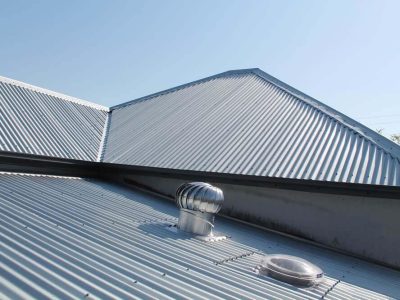
A well-designed attic includes continuous soffit intake and a reliable ridge exhaust, creating a pressure-driven path that clears heat and moisture without short-circuiting. Baffles maintain airflow even when insulation is dense, and properly sized ridge vents ensure the attic breathes under both mild and extreme weather. In radiant-heavy exposures, a radiant barrier or high-emissivity surfaces can further reduce heat gain, amplifying the effect of insulation. Vapor-smart approaches that allow drying to the appropriate side help prevent trapped moisture, mold risk, and insulation degradation. Teams like Quality Exteriors prioritize these design fundamentals, so the visible roof layer and the hidden attic components function as one efficient system.
2025 Building Codes and Energy Compliance Updates for Tennessee
Code requirements evolve to reflect better building science and regional performance needs, and Tennessee jurisdictions are steadily updating energy standards. As 2025 approaches, many municipalities are aligning more closely with recent editions of national model codes, bringing improved insulation benchmarks, air-sealing expectations, and safer ventilation practices into the mainstream. While adoption timing can vary by county or city, the overarching trend rewards roofs that manage heat and moisture effectively. For homeowners, this means planning upgrades that meet or exceed local standards today to avoid costly retrofits tomorrow. It also underscores the importance of working with contractors who track code changes and handle documentation properly.
Action steps to stay compliant without overspending
Homeowners should verify the currently adopted code version with their local building department and request clear guidance on roofing-specific requirements, such as minimum insulation levels over conditioned space, attic ventilation ratios, and underlayment specifications. When cool roof materials or new ventilation strategies are proposed, ensure they align with local approvals and manufacturer requirements to protect warranties. Permits, product data sheets, and installation details should be organized in advance, so inspections go smoothly and delays are minimized. If your project touches structural elements or modifies existing vent paths, that coordination becomes even more important. A knowledgeable Mount Juliet Roofing Company can translate evolving standards into practical scope items that keep your project compliant, efficient, and on schedule.
Comparing ROI on Roof Upgrades Versus Full Replacements
When budgets are tight, targeted upgrades can deliver meaningful savings without the cost of a full tear-off. Ventilation improvements, added insulation, and reflective coatings often yield quick wins by lowering peak attic temperatures and stabilizing indoor comfort. These projects typically have shorter payback periods because they directly reduce energy consumption and extend the life of existing materials. Full replacements, by contrast, can command higher upfront costs but may unlock long-term value through superior wind resistance, impact ratings, and integrated moisture protection. The right choice depends on current roof condition, remaining service life, and how urgently you need to cut utility bills.
A practical way to estimate payback on your home
Start by documenting a full year of energy bills to understand seasonal baselines, then estimate percentage reductions based on realistic performance gains, not best-case marketing claims. Add maintenance savings that come from cooler roof temperatures and improved moisture control, such as fewer shingle cracks or reduced risk of deck repairs. Weigh those benefits against the installed cost of your chosen upgrade or replacement, factoring any incentive programs that may offset expenses. A simple payback under seven years is often compelling for upgrades, while full replacements may justify longer timelines due to durability and warranty benefits. Professionals at Quality Exteriors can benchmark your home against similar projects in Mount Juliet, helping you choose the path with the strongest return on investment and the least risk.
Smart Sensors That Monitor Roof Health in Real Time
Energy efficiency and resilience improve when you can see problems developing before they become expensive. Smart sensors placed in the attic or roof assembly track temperature swings, relative humidity, and moisture intrusion, giving homeowners a real-time view of conditions that drive energy waste and material stress. Some systems detect vibration or impacts from hail, which helps document events for timely inspections and insurance claims. Others monitor dew point conditions that precede condensation, alerting you to ventilation or air-sealing gaps. With data in hand, you can act surgically—tuning ventilation, sealing leaks, or scheduling preventative service—rather than waiting for visible damage.
Where sensors add the most value
Moisture sensing along valleys, penetrations, and low-slope transitions can catch leaks early, while temperature and humidity nodes near soffits, ridges, and HVAC ducts reveal airflow imbalances. Long-life batteries and low-power radios reduce maintenance, and when paired with Wi‑Fi or cellular hubs, alerts can reach your phone within minutes. Over time, trend lines expose seasonal patterns, enabling better decisions about insulation levels, radiant barriers, or reflective materials. Threshold-based alerts also help protect warranties by encouraging timely maintenance before minor issues escalate. Together, data and proactive service keep the roof system stable, protecting indoor comfort and preventing hidden energy losses.
Partnering with Experienced Roofers for Long-Term Savings
Big results come from the coordination of materials, design, and workmanship, which is why the right partner matters. An experienced team will audit your attic, document ventilation paths, and explain how each upgrade contributes to a balanced system. That design-first approach prevents common mistakes like blocking soffit intake with insulation or oversizing ridge vents without adequate intake. Choosing a reputable Mount Juliet Roofing Company also ensures access to manufacturer-certified installers and stronger warranty options, which protect your investment. When those elements are aligned, the roof stops being a cost center and starts acting like a controllable part of your home’s energy plan.
What a strong roofing partner delivers over the long haul
The best partnerships include clear scopes, photo documentation, and performance targets, so you know what success looks like before work begins. They also integrate seasonal maintenance and periodic inspections, using data from smart sensors or manual checks to catch small issues early. Teams like Quality Exteriors help homeowners plan phased improvements—insulation this season, ventilation and materials next—so budgets and timelines stay realistic. Over time, that proactive collaboration drives down energy use, extends roof life, and reduces emergency repairs. With the right guidance, Mount Juliet homeowners can turn their roofs into durable, efficient systems that pay dividends in comfort and cost control for years to come.



Comments