
 By
By 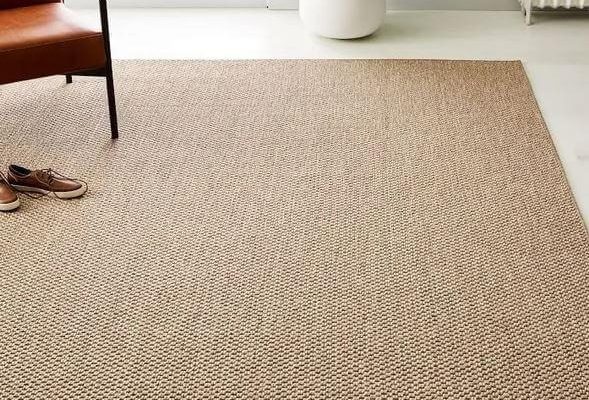
Sisal carpets have become a favorite choice for homeowners who love natural beauty, texture, and sustainability. Made from the fibers of the agave plant, sisal carpets bring a sophisticated, organic touch to any room. However, because they’re made from natural materials, they require a bit more care than synthetic carpets. With the right approach, you can keep your sisal carpet looking fresh, clean, and stylish for many years.
This guide will walk you through practical, expert-backed maintenance tips to preserve your sisal carpet’s beauty and durability.
Understanding Sisal Carpets
Before diving into care tips, it’s helpful to know what makes sisal carpets unique.
Sisal fibers are naturally strong and have a coarse texture, which gives them incredible durability. They’re ideal for high-traffic areas like living rooms, hallways, or offices. However, because sisal is plant-based, it’s more sensitive to moisture and stains compared to synthetic materials. That’s why proper cleaning and maintenance techniques are crucial to extending its life.
Vacuum Regularly to Prevent Dust Build-Up
Dirt and grit are the biggest enemies of any carpet—especially natural fibers like sisal. Regular vacuuming is the best way to maintain your carpet’s appearance and prevent wear.
Frequency: Vacuum your sisal carpet at least twice a week, and more often in high-traffic areas.
Technique: Use a vacuum with strong suction but without a beater bar or rotating brush. These brushes can damage the natural fibers.
Edges and Corners: Pay special attention to corners and edges where dust and debris tend to accumulate.
Regular vacuuming prevents particles from settling deep into the weave, keeping the carpet’s texture clean and crisp.
Handle Spills Immediately
Sisal doesn’t react well to moisture. When a spill occurs, time is of the essence. The faster you act, the less likely the liquid will soak into the fibers and cause staining or warping.
Here’s how to handle spills effectively:
Blot, Don’t Rub: Use a clean, dry cloth or paper towel to blot the spill immediately. Avoid rubbing, as this can push the liquid deeper into the fibers.
Minimal Moisture: If you need to use water, dampen a cloth slightly and blot gently. Never soak the carpet.
Dry Quickly: After cleaning, use a fan or hair dryer on a cool setting to dry the area thoroughly.
For oily stains, sprinkle dry cleaning powder or cornstarch on the area, let it sit for a few hours, and then vacuum.
Avoid Excessive Water and Steam Cleaning
Unlike synthetic carpets, sisal should never be steam cleaned or shampooed. Water can cause the fibers to expand, discolor, or even develop mold.
Instead, try these methods:
Dry Carpet Cleaning: Use a dry powder cleaner made specifically for natural fiber carpets. Sprinkle it evenly, let it sit for the recommended time, and vacuum thoroughly.
Professional Dry Cleaning: For deep cleaning, hire a professional who specializes in natural fiber carpets. They use low-moisture or dry-cleaning techniques that are safe for sisal.
Keeping moisture to a minimum will protect your carpet from shrinking and fiber damage.
Protect from Sunlight and Humidity
Sisal is a natural fiber, so it can fade when exposed to direct sunlight for long periods. To prevent uneven discoloration:
Rotate your carpet occasionally to even out wear and color changes.
Use blinds, curtains, or UV-protective window films to reduce direct exposure.
Humidity is another factor to consider. Excess moisture in the air can cause the carpet to absorb water and buckle slightly. Keeping your home’s humidity level stable helps maintain your sisal carpet’s shape and texture.
Use Rugs or Mats in High-Traffic Areas
If your sisal carpet covers areas where people walk frequently—like entryways or hallways—protect it with small rugs or mats. This will reduce direct wear and prevent dirt from being tracked in.
Choose mats made from natural fibers or rubber-backed materials to keep them in place without damaging the sisal underneath.
Address Odors Naturally
Because sisal is absorbent, it can sometimes retain odors. Avoid using chemical sprays or air fresheners, as they might stain or damage the fibers. Instead:
Sprinkle baking soda lightly over the carpet.
Let it sit for a few hours to absorb odors.
Vacuum thoroughly to remove the residue.
This natural method keeps your carpet smelling fresh without introducing harsh chemicals.
Prevent Furniture Marks
Heavy furniture can leave dents or marks on your sisal carpet over time. To prevent this:
Use felt pads under furniture legs.
Move or rotate furniture occasionally to distribute weight evenly.
This simple step helps the carpet retain its original shape and texture.
Consider a Protective Sealer
If your sisal carpet is in an area prone to spills, consider applying a fiber sealer designed for natural materials. These products create a light protective barrier that repels moisture and stains without altering the carpet’s texture.
Always test any product on a small, hidden section before applying it to the entire carpet.
Final Thoughts
Caring for your sisal carpet Dubai doesn’t have to be complicated—it just requires consistency and attention to detail. By vacuuming regularly, avoiding moisture, handling spills promptly, and protecting it from sunlight, you can enjoy its natural beauty for years.
Sisal carpets are more than just flooring—they’re a sustainable design statement that adds warmth and character to any home. With proper maintenance, your sisal carpet will continue to elevate your space with its timeless, organic charm.







Comments