
 By
By 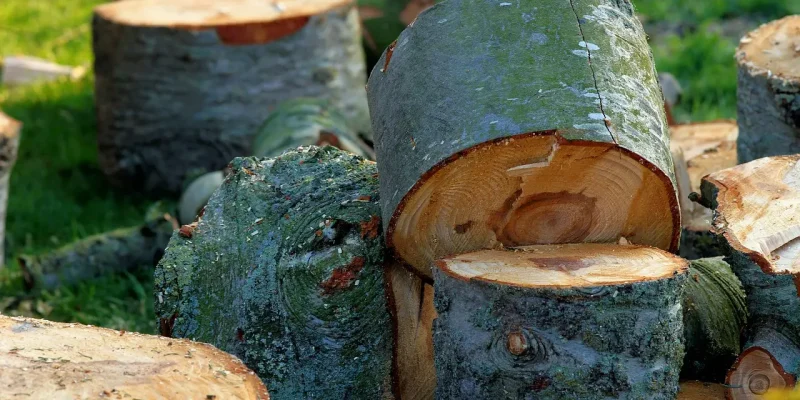
A tree stump may appear harmless at first glance. After a tree comes down, the remaining base often sits quietly in the soil. Yet a stump rarely stays neutral for long. It changes the structure of the garden, attracts pests, spreads disease, and restricts future landscaping. Garden owners who remove stumps quickly maintain cleaner, safer, and more usable outdoor spaces.
Tree stump removal improves both garden health and property appearance. It also prevents problems that develop beneath the soil surface. Guidance on tree health and disease risks related to decaying wood can also be found through the Royal Horticultural Society guide to honey fungus, one of the most destructive fungal diseases affecting garden plants in the UK.
Tree Stumps Damage Garden Appearance
A well-maintained garden relies on clean lines and open space. A stump interrupts that balance. Even a small stump draws attention because it sits at ground level where people walk, mow, and relax.
Grass struggles to grow around exposed wood. Roots spread unevenly beneath the soil. Moss, fungi, and weeds often gather around the stump base. Over time, the area becomes patchy and uneven.
Removing the stump restores a smooth lawn. The space becomes suitable for planting, turfing, or landscaping. Garden design becomes easier when obstacles disappear.
Stumps Attract Insects and Wood Boring Pests
A decaying stump attracts insects quickly. Rotting wood provides food and shelter for many species.
Common pests include:
- Ants
- Beetles
- Wood borers
- Termites in some regions
- Carpenter ants
These insects often start inside the stump. As the wood decays further, the pests move outward. Nearby fences, sheds, and wooden garden features may suffer damage.
A stump also shelters larvae and small insects beneath loose bark. This environment remains damp and protected. Once pests establish themselves, removal becomes more difficult.
Removing the stump early eliminates the main food source. This action reduces insect activity across the garden.
Fungal Growth Spreads Plant Disease
Rotting wood encourages fungal growth. Many fungi feed on decaying timber and release spores into the surrounding soil and air.
Some species spread disease to nearby plants and trees. Fruit trees, ornamental shrubs, and hedges may suffer root infection if fungal colonies spread underground.
Common problems include:
- Root rot fungi
- Honey fungus
- Wood decay fungi
Honey fungus presents a serious threat to garden plants. It spreads through underground root systems and infects healthy trees.
Removing the stump cuts off the host material where fungi grow. Garden soil remains healthier when decaying wood disappears.
Stumps Produce Unwanted Tree Shoots
A stump rarely stays dormant. Many tree species send up new shoots from the remaining root system. These shoots grow quickly because the old roots still store nutrients.
Homeowners often notice clusters of thin stems growing around the stump. These shoots require repeated cutting. If left alone, they develop into small trees.
Species such as sycamore, poplar, willow, and elm often produce strong regrowth. The roots continue pushing energy into new stems.
Removing the stump eliminates the root system. That prevents regrowth and stops constant maintenance.
Stumps Create Trip Hazards
Tree stumps sit at ground level where people walk, mow, and play. Children running across the garden may trip over exposed wood or hidden roots.
Even experienced gardeners stumble when carrying tools or pushing lawn equipment. Injuries occur easily when the ground surface remains uneven.
Hidden roots create additional risk. Grass may grow over the roots, making them difficult to see.
Stump removal creates a level surface. Lawns become safer for walking, gardening, and outdoor activities.
Stumps Obstruct Lawn Maintenance
Lawn care becomes difficult when a stump sits in the middle of the grass. Mowing requires extra effort. Gardeners must steer around the stump every time they cut the lawn.
Roots near the surface also interfere with mowing equipment. Blades strike exposed wood and damage the mower.
Trimming grass around the stump takes extra time with hand tools. Over weeks and months, this small inconvenience becomes constant.
Removing the stump simplifies lawn care. Garden equipment moves freely across the ground without obstruction.
Stumps Reduce Space for New Landscaping
Many homeowners remove trees to create space for new garden features. A stump often blocks that plan.
Garden projects that require clear soil include:
- Patios
- Garden paths
- Raised beds
- Lawn extensions
- Outdoor seating areas
Roots from a large stump spread widely underground. These roots prevent proper foundation work and soil preparation.
Stump grinding clears the space fully. Garden designers and landscapers can then reshape the area without obstacles.
Stump Grinding Restores the Garden Surface
Professional arborists remove stumps using stump grinding machines. These machines use rotating blades that cut wood below soil level.
The grinder chips the stump into small pieces of wood. Operators grind deep enough to remove the visible stump and upper roots.
The remaining wood chips often fill the hole temporarily. Gardeners may mix them with soil or remove them before replanting.
Once grinding finishes, the ground becomes level again. Grass seed or turf covers the area.
Property Value Improves with a Clear Garden
A tidy garden increases property appeal. Buyers often judge a home by its outdoor condition before they even enter the house.
Visible stumps suggest unfinished work. They signal neglect or incomplete landscaping. A clear garden, by contrast, looks well-maintained and ready for use.
Removing stumps improves the overall appearance of the property. Lawns look smoother, planting areas appear organised, and the outdoor space feels larger.
Clean Gardens Begin with Stump Removal
A tree stump may appear small, yet it creates long-term issues. Pests move in. Fungi spread. Roots push up through the soil. Lawn care becomes difficult.
Removing the stump clears the space completely. The garden becomes safer, healthier, and easier to maintain.
Professional stump grinding removes both the visible wood and the upper root structure. The result is a clean surface ready for planting, landscaping, or lawn enjoyment.





Comments