
 By
By 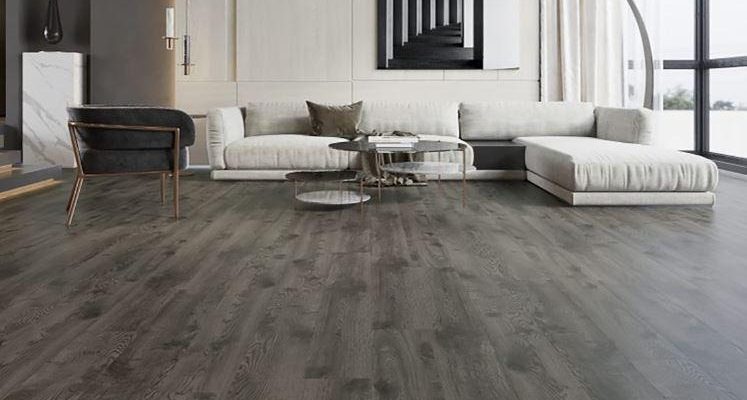
When it comes to choosing flooring for your home or office, the options can be overwhelming. Among the most popular choices today are SPC flooring and traditional vinyl flooring. Both offer durability, easy maintenance, and aesthetic appeal, but which one truly stands out in terms of style and longevity? In this blog, we’ll break down everything you need to know about SPC flooring vs. traditional vinyl to help you make an informed decision.
What is SPC Flooring?
SPC stands for Stone Plastic Composite, a type of rigid core luxury vinyl flooring that combines natural limestone powder, polyvinyl chloride, and stabilizers. The result is a flooring solution that is extremely durable, waterproof, and resistant to dents and scratches. SPC flooring has rapidly gained popularity due to its ability to mimic the look of natural wood or stone while offering a more affordable and resilient alternative.
What is Traditional Vinyl Flooring?
Traditional vinyl flooring, often referred to as sheet vinyl or luxury vinyl tile (LVT), is made primarily of PVC. It comes in a wide range of styles, patterns, and textures, from faux wood to stone. Vinyl flooring is flexible, waterproof, and easy to install, making it a go-to option for many households. While vinyl has been around for decades, it has evolved significantly in terms of design and durability.
Durability Showdown: SPC Flooring vs. Vinyl
One of the most important factors in choosing flooring is durability.
- SPC Flooring:
SPC flooring is known for its rigid core construction, making it highly resistant to impact, scratches, and heavy foot traffic. This makes it ideal for areas like kitchens, hallways, and commercial spaces. Additionally, SPC flooring is 100% waterproof, so it won’t warp or swell even if exposed to moisture, making it a perfect choice for bathrooms and basements. - Traditional Vinyl Flooring:
Traditional vinyl is also water-resistant, but it is generally softer than SPC. While it can withstand regular foot traffic, it is more prone to dents and scratches, especially from heavy furniture or sharp objects. Certain luxury vinyl tiles (LVT) offer improved durability, but they still do not match the rigid strength of SPC.
Winner for Durability: SPC Flooring – Its stone-plastic composite core makes it stronger and more resilient than traditional vinyl, especially for high-traffic areas.
Style and Aesthetic Appeal
Both SPC and vinyl flooring come in a wide variety of textures, colors, and patterns, allowing homeowners to achieve the look they desire.
- SPC Flooring:
Modern SPC flooring is designed to closely mimic natural materials like hardwood, stone, or ceramic tiles. Its embossed texture and realistic patterns provide an upscale, high-end look that can elevate any room. Furthermore, SPC flooring often features UV-resistant and fade-proof surfaces, ensuring that your floor maintains its beauty over time. - Traditional Vinyl Flooring:
Vinyl is extremely versatile and can replicate many textures and patterns, including intricate designs. Sheet vinyl offers seamless designs, which are perfect for areas that require a smooth, uniform look. However, vinyl may sometimes look less “authentic” compared to SPC, particularly in mimicking natural wood or stone textures.
Winner for Style: Tie – While SPC offers a more realistic, high-end look, traditional vinyl provides flexibility in design and seamless finishes. Your choice depends on the aesthetic you prioritize.
Maintenance and Longevity
- SPC Flooring:
SPC floors are low maintenance, requiring only regular sweeping and occasional mopping. Its durable surface resists stains, dents, and moisture, which means it can last 15–20 years or more with proper care. - Traditional Vinyl Flooring:
Vinyl is also easy to maintain and can last 10–15 years, depending on the quality. It may require more care in high-traffic areas to avoid scratches or indentations, and lower-quality vinyl can discolor over time.
Winner for Longevity: SPC Flooring – With superior durability and resistance to environmental factors, SPC flooring offers a longer lifespan with minimal upkeep.
Cost Comparison
While SPC flooring generally costs slightly more than traditional vinyl, the long-term investment is worthwhile due to its durability and longevity. Vinyl may be cheaper upfront, but replacement costs over time can add up, especially in high-traffic areas.
Conclusion: Which One Should You Choose?
Both SPC flooring and traditional vinyl have their advantages, but the choice ultimately depends on your priorities:
- Choose SPC Flooring if you want maximum durability, waterproofing, and a high-end look that will last for decades.
- Choose Traditional Vinyl Flooring if you are looking for a budget-friendly, versatile option with a wide range of patterns and seamless installation.
In today’s interior design world, SPC flooring dubai is increasingly favored for its ability to combine style, resilience, and practicality. However, traditional vinyl still holds its ground as an affordable, adaptable solution suitable for many spaces.
No matter which option you choose, upgrading your floors with either SPC or vinyl will instantly transform the look and feel of your home or office.





Comments