
 By
By 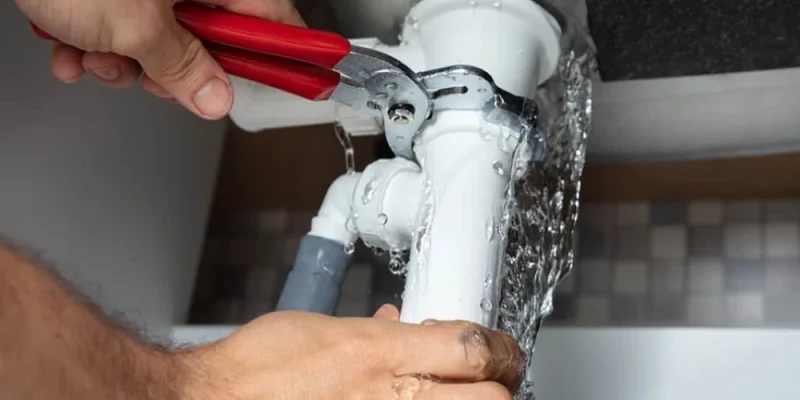
Plumbing Problems Rarely Fix Themselves
One of the biggest mistakes homeowners make is assuming a plumbing problem can wait another day. A small leak under the sink, a slow drain, or a dripping pipe may not seem urgent, especially if water is not pouring into the house. Unfortunately, plumbing problems rarely improve on their own. In most cases, they become more serious and much more expensive the longer they are ignored.
Water is one of the most destructive forces inside a home. It can soak into drywall, weaken wood framing, ruin flooring, damage cabinets, and create ideal conditions for mold growth. What starts as a simple plumbing repair can quickly become a restoration project involving multiple contractors.
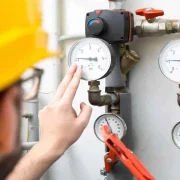
Calling a same day plumber as soon as you notice a serious issue is often the most affordable decision you can make.
Small Leaks Can Become Big Repairs
Many plumbing emergencies begin as small leaks. A loose fitting, cracked pipe, or worn valve may drip slowly for hours or even days before anyone notices. While the amount of water may seem minor, continuous moisture can cause significant damage over time.
Water that seeps behind walls or under flooring often goes unnoticed until visible damage appears. By that point, drywall may already be saturated, flooring may begin warping, and mold may have started developing in hidden areas.
The cost of repairing a leaking pipe is often much lower than replacing flooring, drywall, insulation, and cabinetry damaged by that same leak. Acting quickly helps stop the damage before it spreads throughout the home.
Water Damage Spreads Faster Than Most People Realize
Many homeowners underestimate how quickly water travels. Once water escapes from a pipe or appliance, it does not stay in one location. It follows gravity, flowing through walls, ceilings, flooring, and insulation.
A leak on the second floor can eventually damage the ceiling below. Water beneath kitchen cabinets can spread underneath flooring into nearby rooms. Even a slow leak can eventually affect large sections of the home if left untreated.
Moisture also weakens building materials over time. Wood framing can begin to deteriorate, drywall loses its strength, and flooring adhesives may fail. The longer water remains, the greater the repair costs become.
Fast plumbing repairs reduce the amount of water entering the home and help limit additional damage.
Mold Can Begin Growing Within Days
One of the biggest risks associated with delayed plumbing repairs is mold growth. Mold thrives anywhere moisture remains trapped for an extended period. Hidden plumbing leaks provide exactly the environment mold needs to develop.
Once mold begins spreading, cleanup becomes far more complicated than fixing the original plumbing problem. In some situations, drywall, insulation, carpeting, and other materials may need to be removed completely.
Preventing mold is much easier than removing it. Repairing leaks quickly keeps moisture levels under control and reduces the likelihood of future remediation work.
Delaying Repairs Often Makes Emergencies Worse
Some homeowners choose to monitor a plumbing problem instead of scheduling immediate service. While this may seem reasonable, plumbing systems often fail without much warning.
A pipe that is leaking slightly today may burst tomorrow. A partially clogged drain may suddenly back up completely. A water heater with a small leak may fail unexpectedly and flood the surrounding area.
Waiting introduces uncertainty. You never know when a manageable repair will become a full emergency.
Addressing problems early gives plumbers the opportunity to repair damaged components before larger failures occur.
Emergency Plumbing Protects More Than Pipes
Many people think of plumbing repairs as simply fixing pipes or replacing fixtures. In reality, emergency plumbing helps protect nearly every part of your home.
Quick repairs help preserve flooring, walls, ceilings, cabinets, furniture, appliances, and personal belongings. They also reduce the disruption caused by large restoration projects that may require demolition, drying equipment, and reconstruction.
The sooner the plumbing problem is solved, the sooner normal life can return.
As David Milligan of Emergency Plumbing Pros often says, “Most expensive plumbing repairs don’t become expensive because of the pipe. They become expensive because homeowners wait long enough for water to damage everything around it.”
That simple truth explains why immediate action often saves both time and money.
The Cost of Waiting Is Often Greater Than the Cost of Repair
Many homeowners delay calling a plumber because they worry about repair costs. Ironically, waiting often creates much larger expenses.
A simple pipe repair may eventually require flooring replacement. A leaking water heater may become a water damage claim. A clogged sewer line can lead to cleanup costs that far exceed the original plumbing repair.
Insurance may not always cover damage that results from ongoing maintenance issues or delayed repairs. Even when coverage is available, homeowners may still face deductibles, temporary displacement, and lengthy restoration work.
Taking care of plumbing problems early often avoids these complications entirely.
Protect Your Home by Acting Quickly
Every plumbing system will eventually require repairs. Pipes age, fixtures wear out, drains clog, and water heaters reach the end of their service life. While these problems cannot always be prevented, the damage they cause can often be minimized through quick action.
If you notice unexplained water, leaking pipes, overflowing fixtures, sewer backups, or sudden changes in water pressure, do not assume the problem will improve overnight.
Calling a same day plumber allows trained professionals to diagnose the issue, stop additional damage, and restore your plumbing system before a manageable repair becomes a costly disaster.
When it comes to plumbing emergencies, tomorrow is often too late. Acting today is one of the best ways to protect both your home and your budget.





Comments