
 By
By 
The benefit of living near a trail in Phoenix, AZ is a true lifestyle advantage, offering nature, fresh air, and scenic desert views. However, this closeness to open land also brings a hidden downside: increased pest pressure. Your home may sit directly along a natural movement path for insects, rodents, and wildlife that regularly travel through these corridors. If you are noticing pest activity in or around your home, contacting Green Mango Pest Control early can help manage the risk before it grows.
Why Homes Near Trails in Phoenix, AZ May Experience Different Pest Patterns
Located near desert landscapes and open terrain, trail systems in Phoenix, AZ attract both recreational activity and wildlife movement throughout the year. Over time, residential development has expanded into these natural zones, creating overlap between homes and wildlife habitats.
These transitional areas act as active pathways for pests. Vegetation lines often extend into residential yards, making it easier for rodents, spiders, ticks, and insects to move directly toward homes. Properties located close to these corridors often report higher pest activity during seasonal shifts, especially in spring and fall.
Environmental Factors That May Increase Pest Entry Risk Near Trails
Several outdoor conditions around trail areas in Phoenix, AZ can give pests an advantage.
Dense Vegetation and Ground Cover
Shrubs, grasses, and ground cover near trails create ideal hiding and breeding spaces for pests such as ants, rodents, and insects. When landscaping extends close to the home, it provides a direct pathway from outdoor environments into basements or ground-level entry points.
Moisture Retention Near Trail Corridors
Even in a dry climate, shaded trail areas and irrigation runoff can create pockets of moisture. During warmer months, these damp zones attract mosquitoes, earwigs, and other moisture-dependent pests that eventually move toward nearby homes.
Wildlife Movement Along Trail Lines
Trails act as movement routes for animals like rodents, squirrels, and birds. These animals often carry fleas, ticks, and other parasites, which can spread into residential areas without being noticed.
Structural Entry Points That May Allow Pests Into Homes
Even well-maintained homes can have vulnerabilities, especially when exposed to increased pest activity near trails. Common entry points include:
Cracks and gaps in the foundation: Small openings allow ants, spiders, and insects to enter easily
Utility lines: Gaps around pipes, wires, and conduits are often not fully sealed
Worn weatherstripping: Even small gaps under doors can allow rodents inside
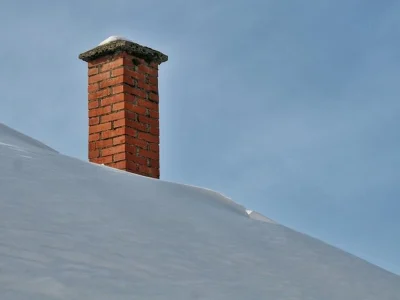
Roof vents and chimneys: Damaged or unscreened openings can invite rodents and insects
Decking gaps: Open spaces in wooden structures can provide direct access for pests
Crawl space vents: Unprotected vents can allow insects and moisture-related pests to enter beneath the home
Assessing the Environmental Risks of Housing Near Trails
Evaluating pest risk begins outside the home. Living near trails in Phoenix, AZ creates a unique mix of environmental factors that influence pest behavior. Soil conditions, landscaping choices, moisture levels, and seasonal wildlife movement all play a role.
Green Mango Pest Control provides detailed inspections that focus on these external risk factors. Their team identifies potential entry points, evaluates environmental conditions, and recommends targeted solutions to reduce pest pressure effectively. With the right approach, homeowners can enjoy the benefits of trail proximity without dealing with constant pest issues.








Comments