
 By
By 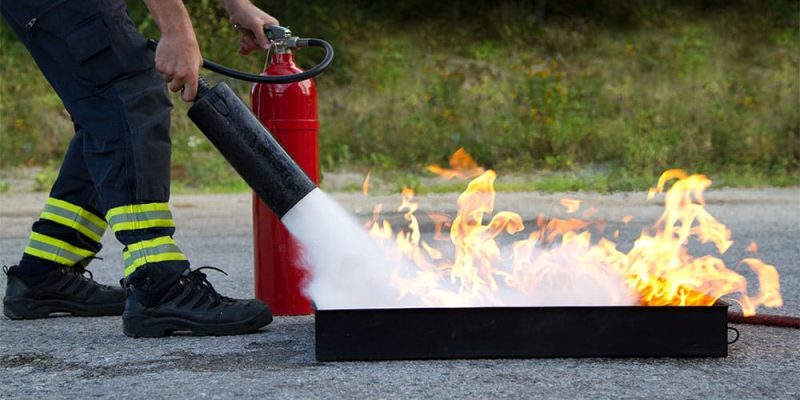
Emergency readiness is essential for businesses and properties where fire risks may be elevated. Although fire alarms, sprinkler systems, and other safety equipment provide important protection, these systems may sometimes be unavailable because of repairs, maintenance, construction, or unexpected issues. During such situations, fire watch personnel provide dedicated monitoring and support emergency preparedness.
For businesses looking to strengthen their emergency preparedness, trained Fire Watch Guards can provide an important layer of on-site protection when normal fire safety systems are temporarily unavailable or when specific activities increase the risk of ignition. By maintaining a visible presence, monitoring vulnerable areas, identifying unsafe conditions, and following established emergency procedures, they help ensure that potential threats receive prompt attention. Their ongoing vigilance can also support a property’s broader fire safety plan by helping staff remain informed and prepared to respond effectively when conditions change.
Maintaining Continuous Awareness
Fire watch personnel help maintain awareness of conditions across a property by conducting regular patrols and observing designated areas. Their responsibilities may include checking for smoke, flames, unusual heat, sparks, and other warning signs.
Consistent monitoring can help identify developing hazards before they become serious emergencies. Remaining alert throughout the assigned shift is essential because fire risks can arise without warning.
Recognizing Potential Hazards
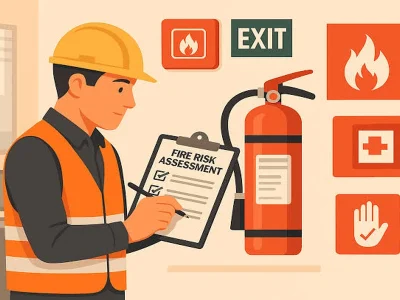
An important part of emergency readiness is understanding what could cause a fire. Fire watch personnel are trained to identify common hazards, including unsafe electrical conditions, improperly stored combustible materials, blocked exits, and activities involving heat or sparks.
They can report these concerns to the appropriate personnel so that corrective action can be considered before an emergency develops.
Monitoring High-Risk Activities
Certain activities require additional attention because they can create ignition sources. Welding, cutting, grinding, and other hot work can generate sparks and high temperatures.
Fire watch personnel can monitor these areas during designated operations and remain alert for signs of ignition. Their presence provides an additional safety measure while potentially hazardous activities are taking place.
Supporting Emergency Communication
Clear communication is a critical part of emergency preparedness. When fire watch personnel identify smoke, flames, or another serious hazard, they can follow the property’s established emergency procedures.
Depending on the site’s plan and their training, they may alert occupants, notify supervisors, or contact emergency services. Prompt communication can help ensure that appropriate people are informed as quickly as possible.
Keeping Emergency Routes Accessible
Emergency exits and access routes must remain clear so occupants can leave safely and emergency responders can reach affected areas. During routine patrols, fire watch personnel can observe hallways, stairways, exits, and other important routes.
If an obstruction is discovered, it can be reported to the responsible staff for prompt attention.
Maintaining Accurate Records
Documentation supports both emergency readiness and accountability. Fire watch personnel may record patrol times, observations, identified hazards, incidents, and actions taken during their shifts.
These records provide businesses with a clearer picture of site conditions and can help management identify recurring problems that require additional attention.
Staying Prepared for Changing Conditions
Conditions at a property can change throughout the day. Construction activities may move between areas, equipment may be switched on or off, and temporary storage arrangements may create new hazards.
Fire watch personnel provide a consistent safety presence that can adapt to these changes. Their continued observation helps maintain awareness as site conditions develop.









Comments