
 By
By 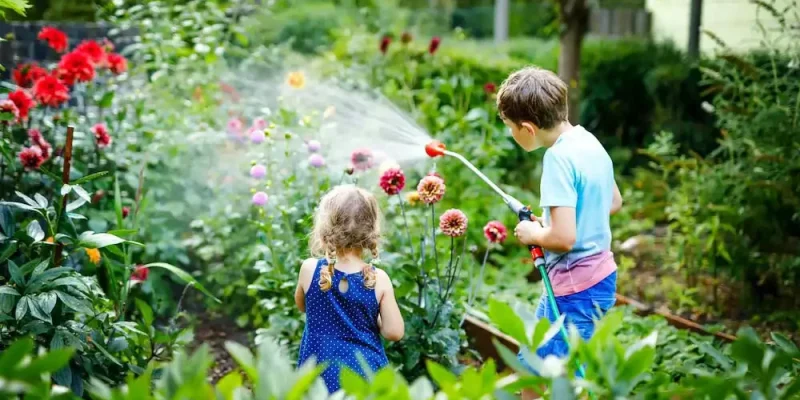
Though the planting of seeds is important and the occasional attention is given to the garden, there is much more to successful gardening than that. It is important to set up appropriate conditions and to keep them stable over a long period of time. Gardeners can foster healthier growth and minimise some of the most prevalent garden issues by knowing their plants’ needs and planning accordingly.
A useful Gardening Overview Insights can help gardeners understand how different factors work together to support healthy, sustainable plant growth. Beyond choosing plants, it is important to consider sunlight, soil quality, watering habits, nutrition, pest control, and seasonal changes as part of one consistent care routine. Taking these elements into account from the beginning makes it easier to create suitable growing conditions, respond to problems early, and maintain a productive garden throughout the year.
Select the Correct Site to avoid selecting the wrong site.
A garden’s location can play a very important role in plant health. Take sun exposure, wind, drainage, and space into consideration before planting. Most vegetables and flowering plants need plenty of sunlight, and some do not tolerate strong lighting and should be planted in the shade. Selecting an appropriate site can help plants thrive during their entire life cycle.
Maintain Healthy Soil
Soil is the source of nutrients, water, oxygen and physical support for plants. Soil type, soil drainage and nutrient level of the soil are the factors that gardeners should evaluate before planting. Compost or other organic material could be added to improve soil structure and beneficial soil microorganisms. The test can also detect nutrient deficiencies and make gardeners aware of unsuitable PH levels, so that the required amendments can be made.
Select Suitable Plants
Choosing plants should be done in consideration of local climate, soil conditions, sunlight and space available. Native and adapted plants can also be easier to care for, as they are accustomed to the conditions in which they grow. Care also needs to be taken to avoid crowding plants in the garden, as they also have a final size. Selecting resistant varieties may also help to contribute to the overall health of a garden over time.
Water Consistently
Plants require the correct amount of water to grow good roots. Watering too much or too little can be stressful and can stress the plant. Watering requirements should depend on weather conditions and plant needs, and should be based on soil moisture levels prior to watering. Infrequent, however deep watering will stimulate the growth of root systems and will prevent unnecessary water loss.
Provide Appropriate Nutrition
Nutrients are required by the plants for healthy growth, flowering and fruit production. In excess, however, fertiliser can be harmful to the roots and can upset the balance of soil. Apply fertiliser and compost as appropriate to particular plants and recommended rates. Regular addition of organic matter can serve as a way to maintain soil fertility with time.
Control Weeds and Pests
Weeds vie for sunlight, water and nutrients from the garden plants. When weeds are small, you may find it easier to keep them out of your yard. Keep an eye on plants for insects, coloring or abnormal growth. Prioritise physical removal, barriers or other non-chemical treatments over chemical treatments, where possible.
Use Mulch
Organic mulch can help reduce the loss of soil water, prevent weed infestation, and reduce soil temperature fluctuations. The leaves, straw and wood chips can slowly incorporate organic matter as they break down. Mulch should be kept clear of the stems of plantings and tree trunks to avoid wetness and disease issues.
Have plans to adjust to seasonal changes.
Care needs adjustment for long-term growth based on seasonal changes. Garden performance can be enhanced by planting at appropriate times, while avoiding damaging weather conditions during the planting of sensitive plants, by pruning the plants at suitable times and by preparing the soil between garden seasons.
Conclusion
Caring for plants and planning things in advance is responsible for good long-term growth of plants. By choosing appropriate plants and having healthy soil, using the right water and nutrient plan, and managing weeds.







Comments