
 By
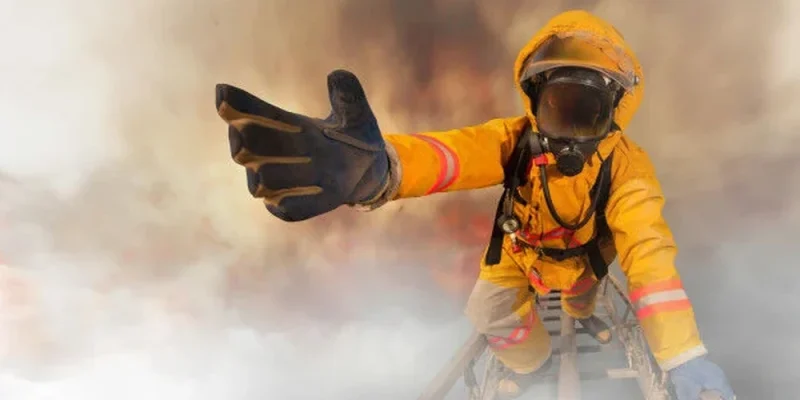
When a massive commercial building, a crowded school, or a sprawling distribution warehouse experiences a sudden fire system failure, local fire codes do not leave room for guesswork. If the sprinkler system drops offline, the main alarm panel fries, or contractors spark up heavy welding equipment, standard operations must either halt entirely or deploy a certified fire watch team.
Deploying professional fire watch security services allows facility managers to satisfy strict municipal code mandates and prevent costly emergency shutdowns when automated alarms or suppression systems fail. Because a school, an industrial distribution hub, and a high-rise office complex face fundamentally different operational risks, a qualified security team must tailor its surveillance strategy to the specific layout and density of the site. Establishing dedicated physical patrols immediately bridges the gap during system downtime, maintaining constant vigilance and keeping operations running safely across any environment.
Because every facility type brings its own unique structural chaos, a one-size-fits-all security approach fails instantly. Here is how professional fire watch services adapt across schools, warehouses, and high-rise commercial towers to keep people and property safe.
Schools and Educational Facilities: Protecting High-Density Crowds
When a campus loses its fire alarms during the middle of an active school week, the stakes skyrocket instantly. Managing hundreds or thousands of distracted students, children, and faculty requires a very specific brand of watch protocol.
School fire watch guards focus heavily on crowd choke points, common assembly halls, gymnasiums, and sprawling hallway networks. Because kids move fast and routines are rigid, watch personnel coordinate tightly with administration to monitor arrival and dismissal times. They keep strict watch over chemistry labs, cafeteria kitchens, and maintenance basements where sudden electrical or grease hazards are most likely to spark.
Warehouses and Logistics Hubs: Guarding Vast Storage Zones
Warehouses are high-risk environments packed to the ceiling with combustible cardboard packaging, wooden pallets, plastic wraps, and high-density inventory. When a warehouse sprinkler grid goes down for maintenance or a sudden water main break, the entire facility becomes a tinderbox.
Guards patrolling massive distribution centers deal with massive blind spots, towering storage racks, and constant forklift traffic. A professional warehouse watch team maps out strict, rapid-pacing foot routes through every storage aisle. They monitor forklift battery charging stations, electrical distribution panels, and loading docks where discarded cigarette butts or hot work debris can quickly start an uncontained disaster.
Commercial Office Towers: Managing Multi-Level Vertical Risks
Commercial skyscrapers present an entirely different logistical puzzle. When a high-rise fire panel goes offline, a single watch officer standing on the ground floor is completely useless.
High-rise fire watch requires continuous, multi-level vertical patrols covering dozens of floors, emergency stairwells, and tenant build-out zones. Guards check every single floor to ensure that heavy fire doors aren’t propped open with wedges, exit stairwells remain completely clear of construction debris or storage boxes, and tenant spaces are free of smoke or burning odors. They maintain synchronized communication hubs across different floors so that, emergency responders know immediately.
Zero Tolerance for Distractions
No matter the venue, whether it is a buzzing school, a massive logistics hub, or a sleek corporate tower, a fire watch guard’s job is strictly defined: observe, log, and escalate.
Professional watch personnel never double up as standard front-desk receptionists or general property greeters. Their eyes stay locked on environmental hazards, their boots keep moving on precise time-stamped intervals, and their digital logs record every single zone check to satisfy strict local fire marshal audits and insurance requirements.







Comments