 By
By 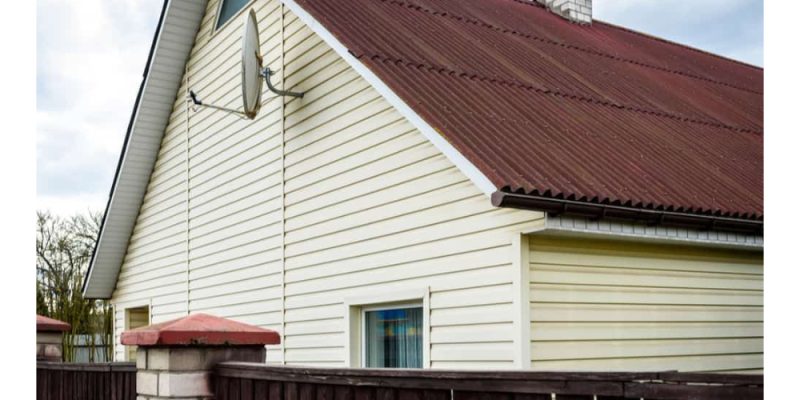
Home improvement is more than a short-term project. It’s an investment in comfort, style, and durability. One element that has transformed the exterior of homes in recent decades is vinyl siding. This material is lightweight, versatile, and built to last, making it an ideal choice for homeowners aiming for lasting results. Beyond looks, vinyl siding brings practical advantages that enhance a home’s value and longevity.
Durability and Low Maintenance of Vinyl Siding
Vinyl siding is crafted to withstand the elements. Unlike wood, it doesn’t rot, warp, or require frequent painting. Rain, wind, and snow leave it largely unaffected. Homeowners appreciate the minimal upkeep, as a simple wash keeps it looking fresh. Its long lifespan means fewer replacements over the years, supporting long-term home improvement without constant expense. Vinyl siding is a material that offers durability while requiring little ongoing effort, making it a smart investment for lasting home enhancements.
Energy Efficiency Benefits of Vinyl Siding
Modern vinyl siding can improve a home’s energy efficiency. Insulated versions reduce heat loss in winter and keep interiors cooler in summer. This not only saves money on utility bills but also reduces environmental impact. By improving insulation, vinyl siding supports both comfort and sustainability. Over time, energy-efficient siding becomes a practical part of a home’s long-term improvement strategy, delivering tangible savings and added comfort.
Enhanced Curb Appeal Through Vinyl Siding
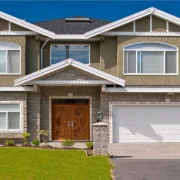
Appearance matters in home improvement, and vinyl siding delivers. It comes in a wide variety of colors, textures, and styles, including wood-like finishes that mimic natural materials. A refreshed exterior boosts a property’s curb appeal instantly. Vinyl siding allows homeowners to achieve a modern or classic look without sacrificing durability. The ability to combine aesthetics and resilience makes vinyl siding a cornerstone of any long-term home upgrade plan.
Protection Against Moisture and Pests
Vinyl siding acts as a shield against moisture and pests. Its non-porous surface prevents water infiltration that can lead to mold or structural damage. It also resists termites and other wood-damaging insects. This protective quality ensures that the home remains structurally sound over years of exposure. By reducing vulnerability to damage, vinyl siding directly contributes to the long-term value and integrity of the property.
Cost-Effective Long-Term Investment
Though initial installation of vinyl siding involves cost, the long-term benefits often outweigh the expense. Minimal maintenance, durability, and energy savings combine to reduce ongoing costs. Homeowners can enjoy a refreshed exterior without continuous financial strain. Vinyl siding’s ability to provide both beauty and practicality makes it a cost-effective component of lasting home improvement.
Versatility in Design and Application
Vinyl siding is adaptable to a wide range of architectural styles. It can be installed on new builds or as part of a renovation. Its lightweight nature simplifies installation, and repairs are straightforward when needed. This versatility ensures that homeowners can implement design changes over time without major disruption. Vinyl siding supports both immediate visual impact and flexible long-term home planning.
Conclusion
Vinyl siding is more than just a decorative element. It combines durability, energy efficiency, protection, and design flexibility into one comprehensive solution. For homeowners seeking lasting improvements, it offers a balance of style and function that few alternatives can match. By investing in vinyl siding, homeowners ensure their properties remain attractive, resilient, and cost-effective for years to come, making it a cornerstone of successful long-term home improvement.




Comments