
 By
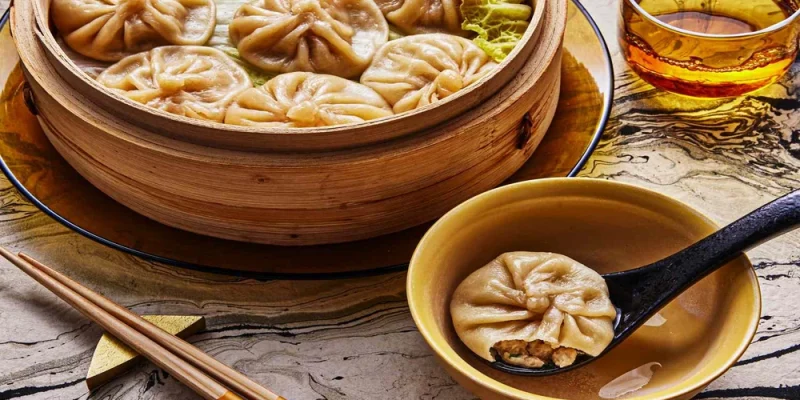
Choose dumpling format after deciding how people will receive and eat the food. Seating, utensils, the route from kitchen to plate, and the location of a dip all affect whether full-size or mini dumplings suit the occasion. Smaller does not automatically mean easier. A useful assessment follows the food through the actual gathering rather than judging the package image alone.
Think about where the guests will eat
Begin with the places people will occupy. A seated diner at a cleared table can set down a plate, use utensils, and reach for an accompaniment. A person standing with a drink has fewer free hands. The same food may require a different arrangement in those settings, even when the filling and preparation are identical.
Do not assume that mini dumplings remove the need for plates or utensils. They are still food that may be hot, sauced, or awkward to manage while standing. Consider the actual preparation and serving plan. If eating comfortably requires a fork and a stable surface, provide those things rather than relying on the word “mini” to solve the problem.
A living-room meal deserves the same attention. A low side table beside one chair does not necessarily serve the person seated farther away. Look at where each guest can place a drink and plate without balancing them. If the available seating cannot support the menu comfortably, change the serving arrangement before changing the product.
Think about movement between seats too. A shared platter that must be passed across knees can be less convenient than individual portions carried from the kitchen. Full-size dumplings on a prepared plate may work well in a setting where a communal bowl of mini bites would create repeated reaching. Format and service should be assessed together.
For guests with particular serving needs, ask what arrangement is comfortable. Do not infer that a smaller piece of food is automatically easier for everyone to eat. The host can provide clear information about the meal and adapt the utensils or seating without claiming that one format solves needs that have not been discussed.
Consider how the food reaches each plate
Trace the route from the cooking area to the diner. Will the host portion food in the kitchen, pass a platter at the table, or invite guests to serve themselves? Each route creates a different demand on serving vessels and tools. Choose a route you can manage before adding several varieties to it.
Individual plating allows the host to arrange separate components without needing space for every serving dish at the table. It also requires attention to what each guest wants. Ask about the filling and accompaniment before assembling the plate, especially when the menu contains more than one variety that could look similar after cooking.
A shared platter gives diners more control over their first portion, but its position matters. Place it where a suitable serving utensil can be used without reaching across someone else’s food. A platter that looks attractive in the center may be impractical if nobody can reach its far side comfortably.
Mixed fillings introduce an identification task. Poppin’ Cheddar Bites contain potato and cheddar in a mini vegetarian dumpling; Cheeky Chicken Bites are mini chicken-and-onion dumplings. If both are served, keep their identity clear. The fact that they share a small format does not make their fillings interchangeable for guests choosing what to eat.
Also consider who will replenish the food. A host repeatedly leaving the table may prefer a simpler service with fewer components. Decide who can bring the next serving from the kitchen and where it will be placed. If that would interrupt every conversation, reduce the number of dishes requiring separate trips.
Decide whether dipping is actually convenient
A dip is useful only if people can reach and use it comfortably. A central bowl may suit a seated table with enough space, while individual small servings may work better elsewhere. Either arrangement needs appropriate utensils and a place for the vessel. The sauce should not become an obstacle between the guest and the food.
Reviewing the pierogi fillings to explore in Virginia Beach can help you connect a proposed dip with an actual product. The potato-and-cheddar and chicken-and-onion mini varieties have different fillings, so one sauce need not be chosen merely because both items are small. Select a flavor relationship you want to offer.
Imagine the action of taking a bite with sauce. Can the diner keep the plate steady? Is the dip close enough, or does using it require leaning over another person? If the arrangement is awkward, serving a modest amount on each plate may be preferable to placing a large bowl in the room and expecting everyone to manage.
It is equally reasonable to omit a dip. A filling can be enjoyed without a separate sauce, and another component may already provide the desired contrast. Removing an unnecessary vessel can improve service more than selecting a different dumpling format. Judge the complete setup, not a customary image of how bites are supposed to be served.
Choose the format after the serving plan is clear
Now compare full-size and mini options against the arrangement you have established. For a seated dinner with individual plates, either may be suitable depending on the desired filling and meal role. For a shared starter, the serving utensil and platter position may matter more than size alone. There is no need to declare one format the overall winner.
Read the current package directions for the exact product selected. Both format and filling are reasons to identify the item accurately; neither permits you to borrow a method from a different package. These products are sold frozen and uncooked, so the preparation plan must be settled independently of the serving photograph.
When shopping, keep the priority clear in your note: the intended filling, the chosen format, and any acceptable alternative. If the preferred package is unavailable, consider whether the substitute still fits the serving plan. A change that requires different plates, tools, or preparation may be more than a simple swap.
The strongest choice is the one that survives this practical walk-through. You can explain where a guest sits, how the food arrives, which utensil they use, and where any sauce goes. Once those answers are comfortable, the full-size or mini decision has a reason grounded in the meal you are actually hosting.












Comments