
 By
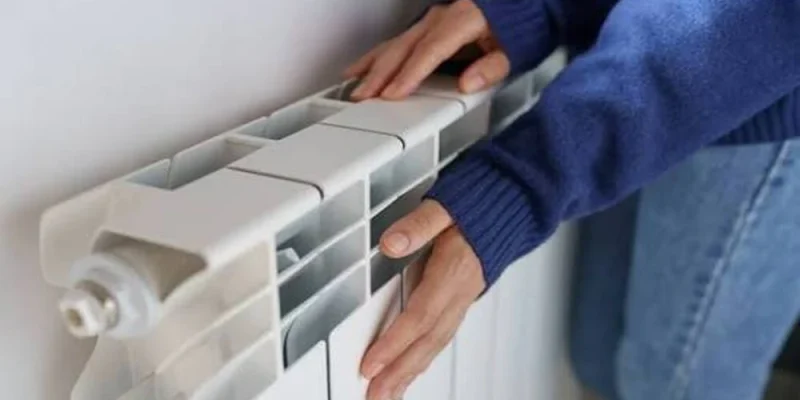
A reliable home heating system is essential during winter, when falling temperatures place greater demands on furnaces, boilers and heat pumps. Without proper care, minor faults can develop into unexpected breakdowns, leaving your household uncomfortable when warmth is needed most. Regular maintenance, sensible thermostat settings and early attention to warning signs can help improve system performance and reduce the likelihood of costly repairs.
For homeowners seeking dependable heating repair and maintenance in Chambersburg, PA, preparing equipment before winter arrives is an important step towards consistent indoor comfort. Although professional servicing is essential, simple household checks also help keep heating equipment operating efficiently. Understanding how to care for your system, recognise developing problems and respond to unusual behaviour can make winter heating more manageable.
Schedule Professional Heating Maintenance
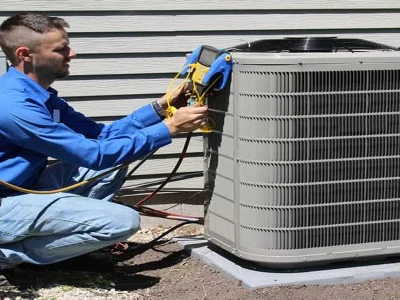
Arranging a professional inspection before the coldest weather arrives allows a qualified technician to assess your heating system’s condition. Depending on the equipment, maintenance may include checking electrical connections, inspecting burners, examining safety controls and confirming that components operate correctly. Identifying worn parts or developing faults early can help reduce the risk of an unexpected interruption during winter.
The appropriate maintenance procedure depends on whether your property uses a furnace, boiler or heat pump. Follow the manufacturer’s servicing recommendations and retain records of completed work. A qualified technician can also explain any necessary repairs, recommend suitable replacement parts and identify issues that require attention before the system is used heavily.
Replace or Clean Air Filters Regularly
Air filters help capture dust and other airborne particles before they enter certain heating systems. When a filter becomes clogged, airflow may be restricted, potentially reducing efficiency and placing additional strain on equipment. In forced-air systems, restricted airflow can also contribute to overheating or uneven heating. Checking the filter regularly is therefore a straightforward maintenance task that homeowners should not overlook.
Inspect filters according to the manufacturer’s instructions and replace disposable models or clean reusable ones as recommended. The appropriate interval depends on the filter type, household conditions, pets and system usage. Never operate equipment without the required filter, and make sure the replacement has the correct dimensions and specifications. If airflow remains poor after changing the filter, arrange a professional inspection.
Check Thermostat Settings and Heating Controls
A correctly configured thermostat helps maintain comfortable indoor temperatures without unnecessary heating. Review your settings before winter and ensure the thermostat is located away from direct sunlight, draughts and other sources of misleading temperature readings. If your heating system supports programmable schedules, adjust them to match your household’s routine rather than heating an empty home unnecessarily.
For homeowners arranging heating repair and maintenance in Chambersburg, PA, checking heating controls is also a useful way to identify basic operating problems. If the heating fails to start, confirm that the thermostat is set to the correct mode and temperature, and check its batteries if applicable. Consult the manufacturer’s guidance before changing advanced settings. Persistent faults, unexplained temperature fluctuations or repeated system shutdowns require professional attention.
Keep Vents and Radiators Unobstructed
Furniture, curtains and stored belongings can block vents and restrict the movement of warm air around a property. In forced-air systems, keep supply registers and return-air grilles clear so air can circulate as intended. For homes with radiators, avoid covering the units with heavy fabrics or placing large objects directly against them. Unobstructed heat distribution supports more consistent indoor temperatures.
If certain rooms remain cold while others become excessively warm, check for blocked vents, trapped air in suitable radiator systems or incorrect control settings. Radiators that need bleeding should be handled according to the heating system manufacturer’s guidance, taking care to follow any pressure requirements for the boiler. If uneven heating continues, a technician can investigate circulation issues, ductwork problems or equipment faults.
Inspect for Unusual Noises, Smells and Leaks
Changes in the way a heating system sounds or operates can indicate a developing fault. Banging, persistent rattling, grinding or unusual whistling should not be ignored, particularly when accompanied by reduced heat output. Similarly, water around a boiler or heating pipework may indicate a leak, while frequent cycling or repeated shutdowns can suggest a control or equipment problem.
Pay attention to when the symptoms occur and whether they become more frequent. Record relevant observations to help a technician diagnose the issue, but avoid dismantling equipment or attempting repairs beyond routine user maintenance. If you smell gas, leave the property, avoid operating electrical switches or creating flames, and contact the appropriate emergency gas service from a safe location. If a carbon monoxide alarm sounds, leave immediately and seek emergency assistance.
Improve Insulation and Prevent Heat Loss
Heating equipment has to work harder when warm air escapes through gaps around doors, windows and other parts of the building. Inspect accessible areas for draughts and use suitable draught-proofing measures where appropriate. Improving loft insulation and addressing other sources of heat loss can help maintain comfortable temperatures and reduce the amount of energy needed to heat the property.
However, insulation improvements should not interfere with required ventilation, particularly in homes with fuel-burning appliances. Keep permanent ventilation openings clear and follow professional advice when making changes near boilers, furnaces or fireplaces. Combining suitable insulation with effective heating controls helps your system meet household heating needs without unnecessary energy consumption.
To Sum Up
Keeping your heating system reliable throughout winter requires preparation, routine care and prompt attention to potential problems. Professional servicing, clean filters, appropriate thermostat settings, unobstructed vents and regular checks for unusual noises or leaks can all contribute to dependable performance. Improving insulation can also reduce heat loss and support a more comfortable home.
Establish a maintenance routine before winter begins and follow the specific requirements of your heating equipment. When a fault persists or a safety concern arises, seek assistance from a qualified professional rather than delaying repairs. Consistent maintenance and early intervention can help protect your heating system and keep your household comfortable throughout the colder months.






Comments