
 By
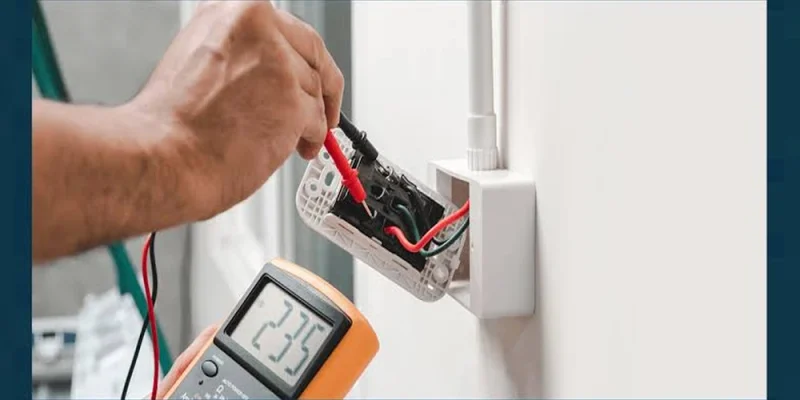
Every home sold in Texas with a licensed inspection gets the same basic report. The Texas Real Estate Commission sets out what inspectors have to look at and what they have to call out, so the electrical section of a report on a 1985 ranch in Grapevine is built from the same checklist as one on a house finished last spring. That consistency is useful. It also confuses a lot of buyers, because the word “Deficient” ends up beside items that range from a missing outlet cover to a panel nobody should trust.
Picture a buyer opening a 40-page PDF two days into an option period. The electrical page is full of checkmarks, and the inspector’s notes keep repeating the phrase “recommend evaluation by a licensed electrician.” Some of those notes will cost twenty dollars to fix. Others can change what a house is worth.
Sorting the two quickly is usually the job of an electrician in Grapevine who walks the house with the report in hand. DUB Electric has done that kind of follow-up since 2011 as a family-owned shop handling repairs, panel upgrades, surge protection and inspections for homes and businesses across Grapevine, Southlake, Colleyville and the wider Tarrant County area. A walk-through like that consistently turns up the same lesson. A deficiency means something different depending on where it sits in the report.
A Checklist That Ignores the Age of the House
Texas inspectors work under 22 TAC 535.229, the rule that lists the electrical items they must report. You can read the full electrical standards of practice yourself, and it is worth a few minutes before you negotiate anything.
The detail most buyers miss is that the rule does not care when the house was built. Inspectors must flag missing GFCI protection in bathrooms, garages, kitchens, laundry areas and outdoors. They must flag missing arc-fault protection in bedrooms, living rooms, hallways and most other living spaces. They must also flag outlets below about five and a half feet that are not tamper resistant. A house built in 1995 was never required to have most of that. So a “Deficient” mark here often means “this home predates current safety standards,” not “someone did illegal work.”
That does not make those items unimportant. GFCI outlets in wet areas are cheap and prevent real shocks. But they belong in a different mental bucket from a scorched breaker.
Notes That Usually Mean a Small Fix
Plenty of the electrical page covers wear and tear that a homeowner or handyman could handle, or that an electrician will knock out in a short visit. Inspectors routinely note missing or cracked cover plates on switches and outlets, a doorbell or chime that does not work, and smoke alarms missing from a bedroom or that fail the test button. Light fixtures that do not respond, and extension cords used as permanent wiring in a garage, come up just as often.
Taken one at a time, these are minor. Together they can tell you how carefully the house was maintained, which is information too.
The Middle Ground Worth a Professional Opinion
Some findings are not alarming on their own but deserve someone qualified to open a cover and look. Reverse polarity or an open ground on an outlet tester falls here. Three-prong outlets with no ground behind them were common in older remodels. A GFCI that will not trip or reset is another one, and so is a double-tapped breaker where two wires share a terminal made for one.
Then there are outdoor items. The rule covers the service drop, weatherhead and mast, so a mast pulling away from the roofline or worn insulation on the service conductors shows up here too. North Texas wind and hail work on those parts every spring, and the repair may involve the utility as well as an electrician.
Findings That Can Change the Deal
A short list of items carries far more weight than the rest of the page combined. If any of these appear, get a licensed electrician’s written assessment before your option period closes.
- An older panel brand with a poor safety reputation, such as Federal Pacific Stab-Lok or Zinsco, which some insurers decline to cover
- Aluminum branch circuit wiring without approved copper and aluminum connectors, or aluminum terminations missing antioxidant compound
- Signs of heat at the panel, including discolored breakers, melted insulation or a burning smell
- A missing or deficient grounding electrode system, or bonding problems at the panel
- Breakers that do not match the wire they protect, such as a 30 amp breaker on wire sized for 20 amps
- No main disconnect, or a panel installed in a closet, bathroom or spot without 36 inches of clear working space
Each one points to either a fire risk or an expensive correction, and in some cases both. They are also the items where a seller’s handyman fix is most likely to fall short.
What the Report Will Not Tell You
The same rule that tells inspectors what to report also lists what they can skip. They are not required to judge whether the service size is enough for the household’s needs. They do not have to check whether breaker labels are accurate, flip breakers on and off, or open junction boxes. Low voltage wiring sits outside the scope as well.
That gap matters more than it used to. A buyer planning a Level 2 EV charger, a pool, a hot tub or a backup generator will not learn from the inspection whether the existing panel can carry that load. A load calculation from an electrician answers that question. It is much easier to plan for an upgrade before closing than to discover the need after move-in.
TREC also adopted another round of changes to the electrical standards in 2026. Reports written after those changes may phrase some items differently. Ask your inspector which version of the rule they followed if a note seems unfamiliar.
Turning Findings Into Repairs That Hold Up
How you ask for repairs matters as much as which ones you ask for. The standard Texas resale contract says repairs must be done by people licensed to do them when the law requires a license. Electrical work in Texas generally falls under the state licensing program run by the Texas Department of Licensing and Regulation. A seller’s brother-in-law replacing a panel does not meet that bar, even if the work looks tidy.
Many buyers ask for a credit at closing on panel-level items rather than seller repairs. That way they can choose the contractor and see the work done. For smaller items, a repair list with licensed work and receipts is usually fine. In either case, ask for paperwork. Larger jobs such as panel replacements and service upgrades in Grapevine need a city permit and inspection, and a finaled permit is the best proof that the work was done right.
Read that way, the electrical page stops being a wall of red flags. Most of it describes a house that is simply older than today’s code, a few items describe ordinary upkeep, and a small handful tell you whether the home is safe to move into as it stands. Spend your time and negotiating leverage on that last group.







Comments