
 By
By 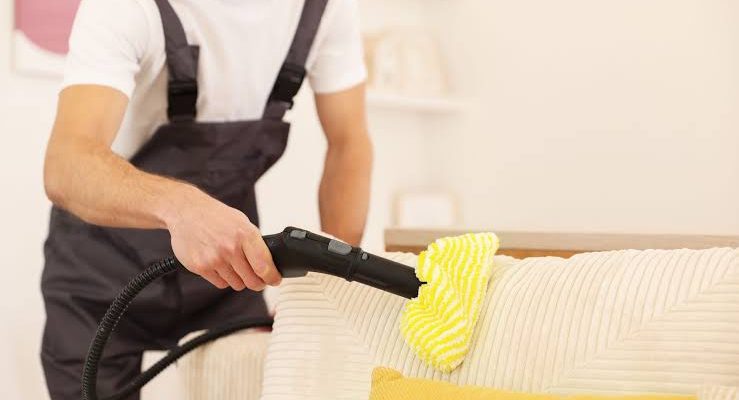
Fabric care decisions often come down to two main routes, and picking the wrong one can leave furniture looking worse rather than better. brisbaneupholsterycleaning.com.au works with both methods regularly, and honestly, the choice between them usually depends on fabric type, soil level, and how quickly the furniture needs to dry.
Heat penetration depth
Steam penetrates deeply into fibres because moisture and high temperature work together instead of working one against the other, so it gets deep into the fibre. In dry cleaning, chemicals are used to break down dirt without introducing water into the fabric. This means that it stays closer to the surface layer of the fabric, so it doesn’t affect the fabric’s dye. Steam works best on cushions that have years of buildup that have been pressed into their padding, since the moist air carries loosened particles up and out, instead of simply dissolving those that are on top.
Allergen removal power
Dust mites and bacteria survive room temperature cleaning agents fairly well. High heat kills them on contact, though, and steam pushes temperatures well past what dry solvents ever reach. Households dealing with allergies or asthma tend to notice a bigger difference after a steam session than after a dry clean, at least based on what most people report back.
Drying time expectations
Dry cleaners win, there’s no argument about that. Using a solvent-based method, the fabric is ready in just a few hours. Steam cleaned furniture needs several hours, sometimes closer to a full day, depending on humidity and airflow in the room. Anyone needing a couch back in service quickly, say ahead of guests or a scheduled inspection, should factor that gap in before booking either one.
Fabric compatibility range
- Delicate fabrics like silk blends often do better with dry cleaning, since steam’s moisture can cause shrinkage or colour bleeding on certain materials.
- Heavy-duty fabrics such as cotton blends or synthetic weaves generally tolerate steam fine.
- Leather sits closer to the dry cleaning side of things, because prolonged moisture exposure risks damaging the material’s finish over time.
- Antique or vintage upholstery usually needs a proper look first, since older fibres can react unpredictably to either method.
Odour elimination results
Chemical solvents mask odours more than they eliminate them at the source. The cleaning agent doesn’t break down whatever organic material causes the smell in the first place. Steam loosens and lifts that source material directly, whether it’s pet dander trapped deep in the fibres or food residue worked into a cushion seam somewhere. This is a big part of why pet owners tend to lean toward steam despite the longer wait for things to dry.
Picking between steam and dry cleaning isn’t really about one method beating the other across the board. It comes down to what the fabric can actually handle, how deep the soiling has penetrated, and how much drying time the household has to spare that week. Matching the method to the specific furniture and situation gets better results than defaulting to whichever one sounds more familiar.










Comments